Imagine the lights flickering, then plunging into darkness, right in the middle of a crucial project. Or perhaps you’re planning an outdoor event far from the grid, needing reliable power for everything from sound systems to food trucks. In these moments, you're not just looking for a generator; you're looking for peace of mind, and understanding Generator Rental Cost & Pricing becomes your first vital step.
Renting a generator is a smart, flexible solution for temporary power needs, sidestepping the hefty upfront investment and ongoing maintenance of ownership. But navigating the rental market can feel like deciphering a secret code if you don't know the key factors at play. This guide will decode those factors, helping you confidently choose the right generator at the right price, ensuring your project, event, or home remains powered up, no matter what.
At a Glance: Key Factors Influencing Generator Rental Costs
- Size (Kilowatts/Watts): The bigger the power output, the higher the rental cost.
- Rental Duration: Daily rates are highest; weekly and monthly rates offer significant discounts.
- Fuel Type & Consumption: Diesel often costs more upfront but can be more fuel-efficient for heavy loads; factor in fuel purchase and consumption.
- Delivery & Setup: Expect fees for transporting, positioning, and connecting the generator.
- Accessories: Cables, distribution panels, external fuel tanks, and transfer switches add to the total.
- Insurance/Damage Waiver: Protects against unexpected damage, usually an added percentage.
- Location & Demand: Prices can vary regionally and during peak seasons (e.g., hurricane season).
- Specialty Features: Quiet operation, low emissions, or remote monitoring can increase cost.
Why Rent? Understanding the Power Play
Renting a generator isn't just about temporary fixes; it's a strategic move for various situations where a permanent power solution isn't feasible or necessary. For homeowners, it’s a crucial lifeline during unexpected power outages, keeping essentials like refrigerators, lights, and medical equipment running. Businesses rely on rentals to maintain operations during scheduled maintenance, unforeseen grid failures, or to power remote job sites where utility access is absent. Event planners find them indispensable for outdoor concerts, festivals, and weddings, providing the juice for everything from lighting and sound to catering equipment.
The beauty of renting lies in its flexibility and cost-effectiveness compared to purchasing. You get access to a wide range of sizes and types without the capital expenditure, storage issues, or the burden of maintenance. Rental companies also ensure the equipment is well-maintained and ready to perform, often offering technical support if issues arise. This expertise and support are invaluable, transforming a complex equipment need into a straightforward solution.
The Core Question: What Drives Generator Rental Cost & Pricing?
Understanding the granular elements that contribute to the final bill is crucial for effective budgeting and smart decision-making. It's rarely just a flat fee; instead, it's a combination of equipment specifics, logistics, and additional services.
Size Matters: Kilowatts and Watts
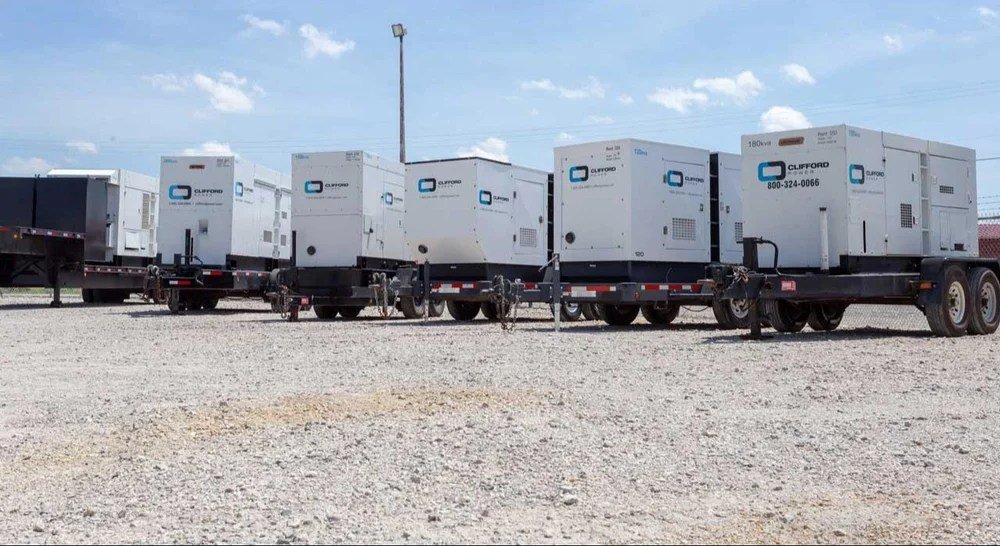
The most significant driver of generator rental cost is its power output, measured in kilowatts (kW) or watts (W). Simply put, the more power you need, the larger and more expensive the generator will be to rent. Generators can range from small, portable units delivering 2,000 watts for basic home use to massive 300-kilowatt commercial-grade units capable of powering an entire construction site or large event.
To determine what size generator to rent, you need to calculate your total wattage needs. Start by listing all the appliances and equipment you plan to power. Note their running wattage (what they consume continuously) and their starting wattage (the brief surge of power some motors need to kick on). The United Rentals experts suggest combining the running wattage from all appliances and then adding the highest single starting wattage from any one item. This total will guide you to the appropriate generator size, ensuring you don't rent an undersized unit that can't handle your load or an oversized one that unnecessarily inflates your costs.
Rental Duration: Daily, Weekly, Monthly Rates
How long you need the generator directly impacts the per-day cost. Rental companies typically offer tiered pricing:
- Daily Rates: These are the highest per-day costs, suitable for very short-term needs (1-3 days).
- Weekly Rates: Often provide a significant discount compared to accumulating daily rates for seven days.
- Monthly Rates: Offer the best per-day value, ideal for long-term projects or extended outages.
While a daily rental might seem affordable initially, a week-long project could easily save you hundreds by opting for a weekly rate instead of seven daily rentals. Always communicate your expected duration upfront to secure the most favorable pricing structure. If your project extends, promptly inform the rental company to adjust your rate; otherwise, you might revert to higher daily charges.
Fuel Type & Consumption: Beyond the Rental Fee
The generator's rental price is just one part of the equation; the operational cost of fuel can be substantial, especially for extended use. Generators typically run on gasoline, diesel, or propane, with diesel being common for larger, commercial units due to its efficiency and safety profile. Some cutting-edge options like hydrogen generators are emerging, as noted by United Rentals' exploration into emissions-free solutions.
Fuel consumption varies dramatically based on the generator's size and the load it's carrying. A small 10-kilowatt generator might consume just under a gallon of fuel per hour at full load, whereas a heavy-duty 200-kilowatt unit could easily guzzle up to 15 gallons per hour. While an average unit might run 8-12 hours on a full tank, constant operation requires frequent refueling.
Key takeaway: Always factor in the cost of fuel for your expected usage. Ask the rental company for the specific fuel consumption rates for the generator you're considering, preferably for various load levels (e.g., 50% load, 75% load, full load), as this will give you a more accurate picture of your true operating expenses.
Delivery, Setup, and Pickup Logistics
You can’t just pick up a 200-kilowatt generator in your sedan. Most larger generators require specialized transportation, often a flatbed truck, and professional setup. These services come with additional fees.
- Delivery: Charges are usually based on distance from the rental yard and the size/weight of the generator.
- Setup/Hookup: For commercial-grade generators, proper electrical connection is critical and often requires a certified technician. This ensures safe operation and compliance with local codes.
- Pickup: Similar to delivery, there will be a charge for the rental company to retrieve the equipment.
Always clarify what's included in the quoted delivery and setup fees. Do they cover just dropping off the unit, or does it include positioning, connecting it to your distribution panel, and initial testing? Overlooking these logistical costs can lead to unpleasant surprises on your final invoice.
Accessories & Distribution
A generator provides raw power, but you'll often need accessories to distribute that power safely and effectively to your equipment. These might include:
- Heavy-duty Power Cables: To connect the generator to your transfer switch or distribution panel.
- Distribution Panels/Spider Boxes: To break down the main power output into multiple smaller circuits with various outlets.
- Automatic Transfer Switches (ATS): Essential for home or business backup, an ATS detects power outages and automatically switches the load to the generator, then back to utility power when it's restored.
- External Fuel Tanks: For very long-term operations, these larger tanks reduce the frequency of refueling.
Each accessory will add to your total rental cost. Discuss your specific power distribution needs with the rental provider to ensure you get all the necessary (and compatible) components.
Insurance & Damage Waivers: Protecting Your Investment (and Wallet)
Generators are significant investments, and like any rented equipment, they're susceptible to damage or theft. Rental companies typically offer a damage waiver or require proof of your own insurance coverage.
- Damage Waiver: An optional fee (often a percentage of the rental cost, e.g., 10-15%) that absolves you of financial responsibility for accidental damage to the generator. It usually doesn't cover negligence, misuse, or theft.
- Your Own Insurance: If you have commercial general liability insurance or homeowner's insurance, it might cover rented equipment. Always check your policy's specifics and provide proof to the rental company if required.
While it adds to the cost, opting for a damage waiver or ensuring you have adequate insurance coverage is a wise investment. The repair or replacement cost of a large generator can be astronomical, dwarfing the waiver fee.
Location, Demand, and the Seasonal Swings
Generator rental costs aren't uniform across the country or even within a single region. Factors like local operating costs, competition among rental companies, and regional demand can influence pricing.
Moreover, demand plays a huge role. During peak seasons, such as hurricane season in coastal areas or during major festivals in certain cities, availability decreases, and prices tend to rise. Conversely, renting during off-peak times might allow for more negotiation and better rates. Planning ahead and booking your generator well in advance, especially for critical needs or during known high-demand periods, can help secure availability and potentially better pricing. If you're looking for generator rentals nearby, be sure to check local availability and pricing fluctuations.
Specialty Features: Noise, Emissions, and Remote Monitoring
Not all generators are created equal. Some come with premium features that enhance performance, user experience, or environmental compliance, and these naturally affect the rental cost.
- Reduced Noise Levels: Often a requirement for events, residential areas, or late-night work, "silent" or "super quiet" generators use advanced baffling and enclosures to minimize noise. They command a higher rental fee than standard, louder units.
- Low Emissions: Environmentally conscious projects or those operating in sensitive areas might require generators that meet specific emission standards. These units often feature advanced engine technology, which can increase their rental price.
- Remote Monitoring: For long-term or critical applications, some generators can be equipped with telemetry systems that allow real-time monitoring of fuel levels, run time, and performance from a remote location. This adds convenience and peace of mind but will be an extra charge.
Consider whether these specialty features are genuinely necessary for your application. While they add to the cost, they can be invaluable for specific requirements.
Demystifying Generator Sizing: How to Get It Right
One of the biggest pitfalls in generator rental is choosing the wrong size. Undersizing means your equipment won't run properly, potentially damaging the generator or your appliances. Oversizing means you're paying for power you don't need, burning more fuel than necessary, and incurring higher rental costs.
Let's break down the sizing process:
- List All Your Devices: Make a comprehensive list of every single item you intend to power.
- Find Running Wattage: For each item, locate its running wattage (also called continuous wattage). This is usually on a label on the appliance itself or in its owner's manual.
- Identify Starting Wattage (for Motorized Items): For items with electric motors (refrigerators, air conditioners, power tools, pumps), you'll also need their starting wattage (or surge wattage). This is the brief, higher wattage required to start the motor. It can be 2-3 times the running wattage.
- Calculate Total Running Watts: Add up the running wattage of all the items you listed.
- Identify the Highest Single Starting Wattage: Look at all your motorized items and find the one with the highest starting wattage.
- Add Them Up: Your required generator size is the Total Running Watts + Highest Single Starting Wattage.
Example:
You need to power:
- Refrigerator: 600 running watts / 1800 starting watts
- Microwave: 1000 running watts / 0 starting watts (resistive load)
- Lights (total): 500 running watts / 0 starting watts
- TV: 200 running watts / 0 starting watts
- Coffee Maker: 800 running watts / 0 starting watts
- Sump Pump: 750 running watts / 2250 starting watts
- Total Running Watts: 600 + 1000 + 500 + 200 + 800 + 750 = 3850 watts
- Highest Single Starting Wattage: Sump Pump at 2250 watts (refrigerator is 1800W)
- Required Generator Size: 3850 (running) + 2250 (starting) = 6100 watts or 6.1 kW
Therefore, you'd need at least a 6.1 kW (or 6100-watt) generator to safely power everything. It's always a good idea to add a small buffer (e.g., 10-20%) for safety and efficiency. Most rental companies, like United Rentals, offer assistance from climate experts to help you find the right size generator package for your specific needs, so don't hesitate to consult them.
Beyond the Price Tag: Key Questions to Ask Your Rental Provider
A detailed quote is a good start, but a truly informed decision comes from asking the right questions. Don't assume anything; clarify everything before signing on the dotted line.
- What exactly is included in the quoted price?
- Does it cover just the generator, or also cables, distribution boxes, and fuel tanks?
- Are delivery, setup, and pickup fees itemized and included?
- Are fuel costs factored in (unlikely, but worth asking if they offer fueling services)?
- Is insurance/damage waiver included, optional, or required?
- What are your fueling options and policies?
- Is the generator delivered with a full tank?
- Am I responsible for refueling?
- What type of fuel does it use?
- What happens if I return it with an empty tank (refueling fees)?
- What about maintenance and troubleshooting?
- Who is responsible for routine checks during long-term rentals?
- What is your emergency support protocol if the generator malfunctions? Is 24/7 service available?
- Do you provide operating instructions or on-site training?
- What are the specific requirements for delivery and setup?
- Do I need to prepare the site in any way (e.g., clear access, level ground)?
- Do I need to provide an electrician for hookup?
- What are the pickup procedures?
- What are the payment terms and cancellation policy?
- When is payment due? Is a deposit required?
- What happens if I need to cancel or extend the rental?
- Are there any late return fees?
Asking these questions helps you uncover potential hidden costs, understand your responsibilities, and ensure a smooth rental experience.
Common Rental Scenarios & What to Expect
Let’s look at a few typical situations to illustrate how generator rental costs and considerations can vary.
Home Backup During an Outage
- Scenario: A homeowner needs temporary power for essentials (refrigerator, a few lights, phone charging) after a storm.
- Generator Size: Likely 3,000-7,000 watts.
- Duration: Daily or weekly, depending on the expected outage length.
- Costs: Relatively lower rental fee. Focus on fuel costs for a few days. Minimal delivery/setup for smaller portable units (often self-pickup). Might need an extension cord kit.
- Expectation: Expect to refuel every 8-12 hours during use. Keep carbon monoxide detectors in place and operate the generator outdoors, away from windows.
Construction Site Power
- Scenario: A remote construction site needs power for tools, lighting, and a temporary office trailer for several weeks.
- Generator Size: Could range from 20 kW to 100+ kW, depending on equipment.
- Duration: Monthly rental is typical to get the best rate.
- Costs: Higher base rental fee. Significant fuel consumption; consider a larger external fuel tank. Delivery, professional setup, and pickup are standard. Distribution panels and heavy-duty cables are essential.
- Expectation: Coordinate with the rental company for regular maintenance checks and possibly fuel delivery services. Factor in security measures for the generator on-site.
Outdoor Event (Concert/Festival)
- Scenario: Powering stages, sound systems, vendor booths, and lighting for a weekend music festival.
- Generator Size: Multiple large units (e.g., 60 kW to 300 kW), potentially synchronized for redundancy.
- Duration: Weekly rental for setup, event, and teardown.
- Costs: High rental fees for multiple large, quiet units. Substantial fuel budget. Extensive delivery, setup, and specialized electrical distribution are mandatory. Often requires 24/7 technical support on-site.
- Expectation: Prioritize quiet operation, redundancy (backup generators), and professional electrical planning. Insurance/damage waivers are critical due to the scale and public nature of the event.
Pitfalls to Avoid When Renting a Generator
Even with the best intentions, it's easy to make mistakes. Steering clear of these common pitfalls can save you headaches and money.
- Under- or Over-Sizing: As discussed, this is the most common and costly mistake. An undersized generator will trip breakers and fail to power your needs; an oversized one is a waste of money and fuel.
- Ignoring Fuel Costs: Focusing solely on the rental fee is shortsighted. Fuel can be a massive operational expense, sometimes exceeding the rental cost for long-term projects. Always get fuel consumption estimates.
- Neglecting Logistics: Assuming delivery and setup are simple or free is a mistake. Always clarify these charges and requirements upfront. For larger units, professional setup is a safety and operational necessity.
- Skipping Insurance/Damage Waivers: While an added cost, opting out can expose you to thousands, or even tens of thousands, in repair or replacement fees if something goes wrong. Understand your liability.
- Not Understanding Operating Instructions: Generators are powerful machines. Improper use can be dangerous and damage the unit. Always read instructions, ask questions, and ensure proper ventilation.
- Last-Minute Rentals: Waiting until the last minute, especially during peak demand periods (e.g., hurricane season), means limited availability, fewer choices, and potentially higher prices. Plan ahead.
Making Your Budget Go Further: Smart Rental Strategies
You don't have to break the bank to get reliable power. Smart planning and a proactive approach can significantly impact your Generator Rental Cost & Pricing.
- Plan Ahead and Book Early: This is perhaps the single most effective strategy. Early booking, especially for critical needs or during anticipated high-demand periods, secures availability and can often lock in better rates.
- Accurately Size Your Needs: Re-emphasizing this because of its impact on cost. Use our sizing guide to ensure you rent exactly what you need, no more, no less.
- Compare Quotes from Multiple Providers: Don't just go with the first option. Get detailed quotes from 2-3 reputable rental companies. Make sure you're comparing apples to apples – identical generator size, duration, and included services.
- Negotiate for Longer Durations: If your project extends from a few days to a week, or from a week to a month, always ask for the corresponding weekly or monthly rate. The savings can be substantial.
- Bundle Services: Sometimes, rental companies offer discounts if you rent the generator along with necessary accessories (cables, fuel tanks) or delivery/setup services.
- Consider Fuel Efficiency: For long-term rentals, a slightly more expensive, but significantly more fuel-efficient, generator might save you money in the long run. Ask about fuel consumption at various load levels.
- Self-Pickup for Smaller Units: If you only need a small, portable generator and have appropriate transportation, picking it up yourself can save on delivery and pickup fees.
- Be Flexible with Features: While quiet or low-emission generators are great, if your application doesn't strictly require them, opting for a standard unit can reduce costs.
Ready to Power Up? Your Next Steps
Navigating Generator Rental Cost & Pricing doesn't have to be a daunting task. By understanding the core factors—size, duration, fuel, logistics, and additional services—you can approach the rental process with confidence and clarity. Remember that the true cost involves more than just the daily rate; it encompasses fuel, delivery, accessories, and protection.
Armed with this knowledge, you're ready to make an informed decision. Start by accurately assessing your power requirements, then reach out to reputable rental providers in your area. Be specific about your needs, ask all the critical questions we've outlined, and compare comprehensive quotes. With a clear understanding of what you need and what to expect, you'll secure a reliable power solution that fits your budget and keeps your operations humming smoothly. Don't let power outages or off-grid challenges slow you down—take control and power up your plans.