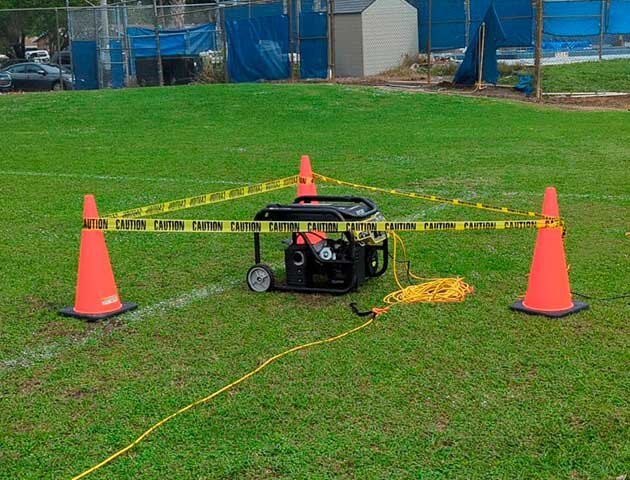
When the lights go out, a rented generator can be your best friend, a reliable beacon of power in an uncertain moment. But like any powerful tool, generators demand respect and adherence to strict safety protocols. Mastering generator rental safety and operation isn't just about keeping your lights on; it's about protecting lives, preventing property damage, and ensuring your power solution is efficient and hassle-free. This isn't just a technical manual; it's your essential guide to confidently harnessing backup power, written to arm you with the knowledge needed to stay safe and productive.
At a Glance: Your Quick Guide to Generator Safety
- Always Outdoors: Run generators at least 20 feet from any building, directing exhaust away from openings.
- Never Indoors: Garages, basements, or enclosed porches are absolute no-gos, even with ventilation.
- Install CO Detectors: Carbon monoxide is odorless and deadly; detectors are your unseen guardians.
- Proper Grounding: Ensure the generator is correctly grounded to prevent electrical shock.
- Disconnect Loads: Always unplug devices before starting or stopping the generator.
- Heavy-Duty Cords: Use outdoor-rated extension cords capable of handling the load.
- Fuel Safely: Turn off and cool the generator for 15 minutes before refueling.
- Stable Surface: Place generators on level, non-combustible ground, away from flammable materials.
- Regular Checks: Before each use, inspect for wear, leaks, or damage.
- Know Your Limits: Never exceed the generator's power capacity.
- Emergency Plan: Keep a fire extinguisher (ABC-rated) nearby and know how to use it.
Why Safety Isn't an Option: Understanding the Core Risks
Generators provide indispensable power during outages, for construction sites, or special events. However, their convenience comes with significant hazards if mishandled. The primary risks aren't just minor inconveniences; they are life-threatening:
- Carbon Monoxide (CO) Poisoning: The silent killer, CO is an odorless, colorless gas produced by internal combustion engines. Even small amounts can be fatal.
- Electric Shock & Electrocution: Improper grounding, faulty cords, or operating in wet conditions can lead to severe shocks or electrocution.
- Fire Hazards: Fuel is highly flammable, and hot engine components can ignite spills or nearby combustible materials. Overloading can also cause electrical fires.
Your paramount goal when renting a generator should always be safety first. Protecting personnel, equipment, and property ensures your power solution serves its purpose without creating new problems.
The Invisible Killer: Safeguarding Against Carbon Monoxide (CO)
Carbon monoxide poisoning is perhaps the most insidious danger associated with generator operation because you can't see or smell the threat. It replaces oxygen in your bloodstream, leading to symptoms that can quickly progress from mild discomfort to unconsciousness and death.
Strict Rules for CO Prevention: Your Non-Negotiables
To absolutely minimize CO risk, adhere to these fundamental principles:
- Outdoor Operation ONLY: This is the golden rule. Always operate your generator outdoors, in an open, well-ventilated area. Place it a minimum of 20 feet (about 6 meters) away from your home, office, or any building.
- Exhaust Direction Matters: Ensure the exhaust is directed away from all windows, doors, and ventilation openings that could allow CO to seep into enclosed spaces. Even a slight breeze can carry CO indoors.
- Never, Ever Indoors: This bears repeating: Do NOT run a generator in a garage, basement, enclosed porch, carport, shed, or any other partially or fully enclosed area. Opening windows or using fans does NOT provide adequate ventilation to make indoor operation safe. The risks far outweigh any perceived convenience.
Your CO Early Warning System
While outdoor operation is your primary defense, a secondary layer of protection is crucial:
- Install CO Detectors: Place battery-operated or battery-backup carbon monoxide detectors in your home or facility, especially near sleeping areas. Test them monthly to ensure they are functioning correctly.
- Know the Symptoms: Be aware of the signs of CO exposure: headache, dizziness, nausea, weakness, confusion, and chest pain. These symptoms can be subtle and easily mistaken for the flu.
- Immediate Action: If you suspect CO poisoning, immediately move everyone to fresh air outdoors. If symptoms are severe or persist, seek medical attention right away. Do not return to the area until it has been declared safe by emergency personnel.
Power Up Safely: Essential Electrical Considerations
Managing electricity from a generator requires careful attention to detail. Mishandling can lead to dangerous shocks, damage to your equipment, or power surges.
Grounding: Your First Line of Electrical Defense
- Follow Manufacturer Guidelines: Proper grounding is critical. Your rental generator should come with instructions for grounding, usually involving a connection to a ground rod driven into the earth. This diverts dangerous electrical currents away from you and your equipment in the event of a fault.
- Professional Assistance: If you're unsure about proper grounding, especially for larger units or longer rental periods, consult with a qualified electrician.
Protecting Your Connections and Devices
- Disconnect Before Start/Stop: Always ensure all electrical loads (appliances, tools, lights) are disconnected from the generator before you start it or shut it down. This prevents damaging power surges that can harm both the generator and your sensitive electronics. Once the generator is running stably, you can connect devices one by one.
- Ground Fault Circuit Interrupters (GFCIs): Utilize extension cords equipped with GFCIs, or plug into generator outlets that have built-in GFCI protection. GFCIs automatically trip and cut power if they detect a dangerous electrical imbalance, offering vital protection against electrocution, especially in damp or wet conditions.
- Use the Right Cords: Employ heavy-duty, outdoor-rated extension cords that are specifically designed to handle the electrical load you'll be running. Never use frayed, damaged, or undersized cords, as these are significant fire and shock hazards.
- Distribute the Load Wisely: Avoid plugging all your high-demand appliances into a single outlet or circuit on the generator. Distribute your power needs across the available outlets to prevent individual circuits from overloading.
Preventing Overload: Don't Push Your Generator Too Hard
- Understand Capacity: Every generator has a specified running wattage and surge wattage. Never exceed the generator's rated power capacity. Overloading can lead to overheating, damage to the generator, tripped breakers, and potentially electrical fires.
- Calculate Your Needs: Before connecting anything, tally the combined wattage of all devices you intend to power simultaneously. Compare this to the generator's capacity. Start with essential items and add others if the capacity allows. Consider the surge wattage for appliances with motors (like refrigerators or power tools), as they require extra power for a few seconds upon startup.
Fueling Fire Prevention: Handling Fuel and Preventing Ignitions
Generators run on highly combustible fuels like gasoline, diesel, or propane. Mishandling fuel or operating near flammable materials creates a severe fire risk.
Safe Fuel Storage and Handling
- Approved Containers: Store fuel only in approved, properly labeled fuel containers. These containers are designed to safely hold and transport volatile liquids.
- Ventilated & Remote Storage: Keep fuel containers in a well-ventilated area, away from living spaces, heat sources, open flames, and any potential ignition sources (like pilot lights or sparks). A detached shed or garage (if well-ventilated) is preferable to storing fuel inside your home.
- Cool Down Before Refueling: This is a critical safety step: Never refuel a running or hot generator. Turn off the generator and allow it to cool down for at least 15 minutes before attempting to add fuel. Hot engine parts can ignite spilled fuel vapors, leading to immediate and severe fires.
- Avoid Overfilling: Do not overfill the fuel tank. Leave a small amount of space to allow for fuel expansion, especially in warmer temperatures.
- Check Fuel Lines: Regularly inspect the generator's fuel lines for any signs of cracks, leaks, or wear. Address any issues immediately.
- Clean Up Spills: If fuel is spilled, clean it up immediately and thoroughly. Ensure all rags or absorbent materials used are disposed of safely, away from any ignition sources.
Generator Placement for Fire Safety
- Stable, Non-Combustible Surface: Position the generator on a stable, level, non-combustible surface. This prevents tipping and reduces the risk of ignition from hot exhaust or engine parts.
- Clearance from Combustibles: Maintain ample clearance around the generator, keeping it away from dry leaves, grass, brush, curtains, or any other flammable materials. A general guideline is to keep at least 5 feet (1.5 meters) of clear space in all directions.
- Fire Extinguisher Ready: Always have an appropriate fire extinguisher (ABC-rated, suitable for both fuel and electrical fires) readily accessible near the generator. Ensure you and anyone operating the generator knows how to use it.
Beyond the Basics: Professional Setup and Sizing for Standby Units
While portable generators are often user-friendly, larger standby units or complex setups require professional expertise. Choosing the right size and ensuring proper installation are paramount for safety and efficiency.
When to Call the Pros: Standby Generator Installation
- Permanent Installations: If you're considering a permanent standby generator that automatically kicks in when power fails, professional installation is non-negotiable. These units are hardwired into your electrical system.
- Licensed Electricians: A certified and licensed electrician must install standby generators. They will ensure the unit is correctly sized, properly wired, and compliant with all local electrical codes.
- Automatic Transfer Switches (ATS): Standby generators often utilize an Automatic Transfer Switch (ATS). This device safely disconnects your home from the utility grid before connecting the generator, preventing dangerous "backfeed" of electricity into the power lines (which can electrocute utility workers). The ATS also needs to be installed and tested by a licensed electrician.
- Stable & Ventilated Site: Professional installers ensure the generator is placed on a stable, level pad, with adequate ventilation and easy access for servicing.
Sizing Your Generator: Don't Guess, Calculate
- Match Needs to Output: Choosing the correct generator size and power output is crucial. An undersized generator will constantly be overloaded and fail to meet demand, while an oversized one will consume more fuel than necessary and operate inefficiently.
- Portable vs. High Output:
- Portable Generators: Ideal for powering a few essential appliances, small tools, or for camping/tailgating. They offer flexibility and are easy to relocate.
- High-Output Generators: Necessary for construction sites, large events, or whole-home backup. These require more robust setup and safety planning due to their higher power output.
- Professional Assessment: For larger applications, a professional can conduct a load assessment to precisely determine your power requirements, ensuring you rent a generator that perfectly matches your specific needs without waste or risk.
Keeping the Heart Beating: Routine Maintenance and Pre-Use Checks
A well-maintained generator is a safe and reliable generator. Even with rental units, understanding and performing basic checks before each use can prevent breakdowns and identify potential hazards.
Before Every Use: Your Quick Inspection Checklist
Before you even attempt to start a rented generator, conduct a quick visual inspection:
- Look for Wear and Tear: Examine cables, fuel lines, and the exhaust system. Are there any frayed wires, loose connections, or cracks? Are the insulation and sheathing intact?
- Check for Leaks: Inspect around the engine and fuel tank for any signs of fuel, oil, or coolant leaks. Address any leaks immediately before operation.
- Exhaust System Integrity: Ensure the exhaust system is intact, free of obstructions, and not damaged. A blocked or leaky exhaust can lead to CO buildup.
- Clear Debris: Remove any leaves, dirt, or debris from around the generator's air intakes and cooling fins.
- Fuel Level: Check the fuel level and add fresh, appropriate fuel if needed (after ensuring the generator is cool).
Beyond the Basics: Manufacturer-Recommended Maintenance (for longer rentals)
For extended rentals, it's beneficial to be aware of typical maintenance schedules, which your rental provider should cover or instruct you on:
- Oil Changes: Regular oil changes are vital for engine longevity. Follow the manufacturer's recommended intervals, often after the first 20-50 hours, then every 100-200 hours.
- Air Filter & Spark Plug: Inspect and replace the air filter and spark plug as recommended. A clean air filter ensures proper combustion, and a healthy spark plug ensures reliable starting.
- Battery Maintenance (if applicable): For generators with electric starts, regularly check the battery voltage, clean any corrosion from terminals, and ensure secure connections. Batteries typically last 2-3 years.
- Fuel System Management: If storing a generator with fuel for an extended period, use a fuel stabilizer to prevent fuel degradation and gumming. For diesel generators, ensure fuel is filtered to prevent contaminants.
- Cooling System: Check coolant levels, keep the radiator clean of debris, and inspect hoses and belts for wear.
- Load Testing: For longer-term rentals or critical applications, periodic load testing (e.g., annual full-load test) can confirm the generator meets its power demands and uncover potential mechanical issues before they become emergencies.
- Exhaust & Emissions: Beyond CO checks, ensure the exhaust system remains free of obstructions and that any emissions control devices are functioning correctly.
Smooth Operation & Emergency Preparedness
Even with the best preparation, unforeseen events can occur. Knowing how to operate your generator efficiently and respond to emergencies is your final layer of defense.
Preventing Overload in Real-Time
- Staggered Startup: When connecting appliances, don't plug everything in at once. Start with your largest load first, then add smaller items one by one, giving the generator time to stabilize its output.
- Monitor Generator Performance: Listen to your generator. If it sounds like it's struggling, or if lights dim, it's likely overloaded. Disconnect some devices immediately. Many generators have built-in overload protection that will trip a breaker.
What to Do When Things Go Wrong: Emergency Response
Having an emergency plan is crucial. This isn't about panicking; it's about quick, decisive action.
- Fire: If a generator fire occurs:
- If safe to do so, immediately shut off the generator and any fuel supply.
- Use your ABC-rated fire extinguisher to tackle the flames.
- If the fire is too large or you feel unsafe, evacuate the area immediately and call emergency services.
- Power Surge: If you experience a sudden power surge or your connected devices begin to malfunction:
- Immediately disconnect all electrical loads from the generator.
- Shut down the generator.
- Inspect the generator and all connected equipment for any visible damage.
- Consult your generator's manual or contact your rental provider before attempting to restart.
- CO Exposure: As mentioned earlier, if you suspect CO poisoning, get everyone to fresh air immediately and seek medical help. Do not re-enter the area.
- Training Matters: If you or your team will be regularly operating a rented generator, consider taking basic safety training. Understanding the equipment and emergency protocols can make all the difference.
Your Next Step: Confidently Securing Your Power Solution
Renting a generator is an excellent solution for temporary power needs, whether it's for an emergency, a construction project, or an outdoor event. By understanding and diligently applying these safety and operational guidelines, you transform a potentially hazardous piece of equipment into a reliable, safe, and efficient power source.
Before you make your choice, knowing these safety protocols makes you a more informed and empowered customer. When you're ready to explore your options and find the perfect power solution for your needs, you can easily rent a generator near you with confidence, equipped with the knowledge to operate it securely and efficiently. Prioritizing safety not only protects you and those around you but also ensures uninterrupted power when you need it most.