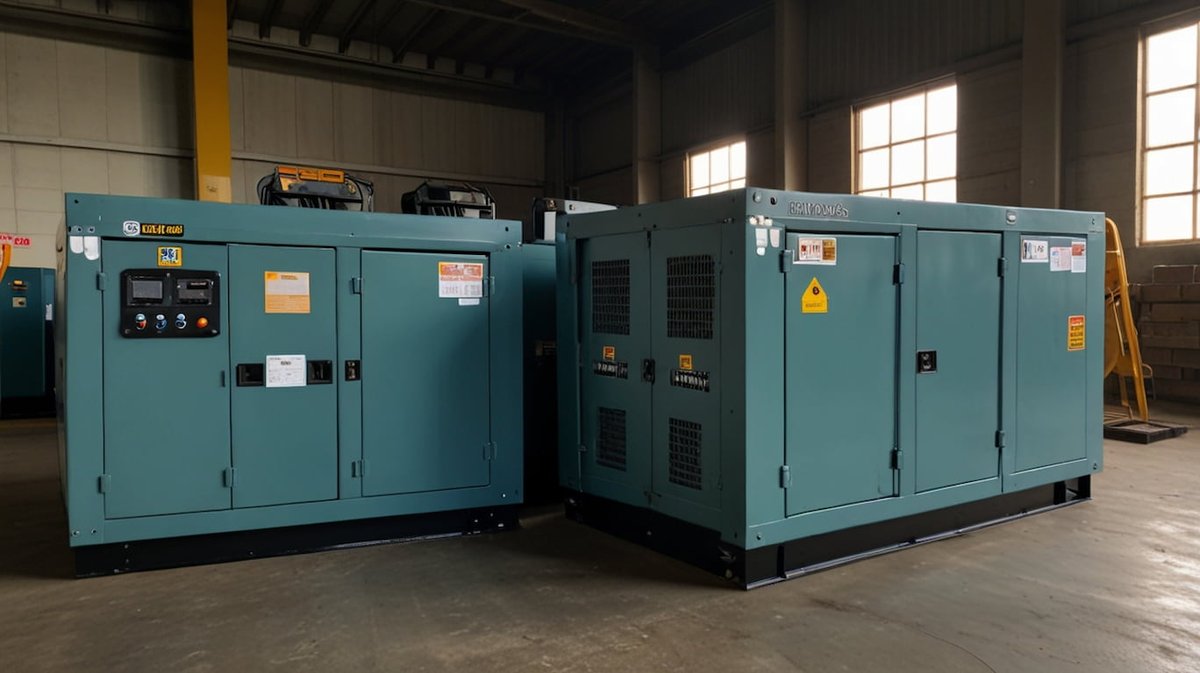
Modern life runs on electricity. From the hum of your refrigerator to the critical servers powering global data, a consistent power supply isn't just a convenience – it's a necessity. Yet, outages happen, projects emerge, and events demand temporary solutions. This is where the flexibility and reliability of generator rental use cases & applications step in, providing a vital bridge between power demand and availability.
The generator rental market isn't just growing; it's surging, projected to jump from $9.48 billion in 2025 to a staggering $30.87 billion by 2033. This isn't just about covering emergencies; it's a strategic move for businesses and individuals seeking efficiency, sustainability, and peace of mind.
At a Glance: Why Generator Rentals Matter
- Essential for Reliability: Provides critical backup power during outages, disasters, or planned maintenance.
- Cost-Effective: Avoids huge upfront capital investment, ongoing maintenance, and depreciation costs (saving up to 30%).
- Flexible & Scalable: Get precisely the power you need, when and where you need it, for any duration.
- Access to Latest Tech: Utilize modern, fuel-efficient, and quieter generators without purchasing them.
- Wide Range of Applications: Powers everything from construction sites and outdoor events to data centers and emergency services.
- Expert Support Included: Often comes with 24/7 technical assistance, fuel management, and on-site maintenance.
- Greener Choice: Reduces the environmental footprint of ownership and offers access to more eco-friendly models.
The Power Behind the Demand: Why Renting Makes Sense
In a world increasingly reliant on uninterrupted power, ownership isn't always the smartest play. Renting generators offers compelling advantages that address both immediate needs and long-term strategic goals. It's not just about getting power; it's about getting the right power, efficiently and without the burdensome overhead.
One of the most significant draws is pure economics. You avoid the substantial capital outlay of purchasing a generator, which can be a hefty expense. Beyond that, you sidestep ongoing costs like maintenance, repairs, storage, and depreciation – expenses that can amount to 30% of the unit's value over its lifetime.
Then there's the sheer flexibility. Projects evolve, event sizes change, and disaster recovery needs can be unpredictable. Rental allows you to scale your power capacity up or down as required, choosing exactly the right size and type of generator for the job. Need a small portable unit for a weekend camping trip? Done. Require a massive industrial generator for a month-long construction project? Also done. This adaptability means you're never over-invested in idle equipment or underpowered when demand spikes.
What's more, rental companies typically offer a fleet of modern, well-maintained generators. This gives you access to the latest technological advancements – think fuel-efficient designs, quieter operation, lower emissions, and even smart features like remote monitoring. You benefit from cutting-edge performance without the burden of technological obsolescence.
Finally, peace of mind is a major selling point. Reputable rental providers often include comprehensive support packages: 24/7 technical assistance, fuel management services, and on-site maintenance. This means less worry for you, knowing that expert help is just a call away if any issues arise.
Powering Every Scenario: Key Generator Rental Use Cases
Generator rentals serve a vast spectrum of needs, from life-critical operations to temporary conveniences. Let's explore the primary applications where renting a generator truly shines.
1. Navigating Power Outages & Emergency Preparedness
When the lights go out, everything stops. For homes, this means spoiled food and disrupted routines. For businesses, it can mean lost data, halted production, and significant financial losses.
- Residential Backup: For homeowners, a rental generator can keep essential appliances running – refrigerators, freezers, medical equipment, and perhaps even a well pump – until utility power is restored. It's a lifesaver during extended blackouts.
- Commercial & Industrial Continuity: Businesses, especially those with critical operations like data centers or manufacturing, cannot afford downtime. Renting generators ensures seamless operation, protecting revenue, data integrity, and safety protocols. Imagine a hospital without power; a rental generator provides immediate, life-saving backup.
- Disaster Recovery Efforts: Following natural disasters (hurricanes, floods, wildfires, ice storms), entire regions can lose power for days or weeks. Rental generators are rapidly deployed to power temporary shelters, communication hubs, command centers, and aid distribution points. They are indispensable for recovery and rebuilding efforts, providing crucial energy for tools, lighting, and basic necessities.
2. Fueling Construction & Infrastructure Projects
Construction sites are often far from permanent power grids, or their power needs fluctuate dramatically throughout different project phases.
- Remote Site Power: From building new bridges in rural areas to developing sprawling housing estates, generators provide the primary power source for tools, lighting, site offices, and heavy machinery where grid access is unavailable or impractical.
- Temporary Power for Specific Phases: During demolition, foundation pouring, or interior fit-outs, power requirements can change. Renting allows contractors to scale power up or down, avoiding the cost of owning an oversized generator that's only needed temporarily.
- Emergency Backup on Site: Even if a site has grid access, unforeseen outages can bring work to a standstill. A standby generator ensures that critical safety systems, lifts, and security remain operational.
3. Lighting Up Events & Entertainment
From intimate backyard weddings to massive music festivals, temporary power is fundamental to creating memorable experiences.
- Concerts & Festivals: Think massive sound systems, dazzling light shows, vendor stalls, and temporary stages – all demand reliable power. Rental generators ensure the show goes on without a hitch.
- Outdoor Weddings & Parties: Beyond the grid, generators power catering equipment, music, lighting, and heating/cooling, allowing event planners to transform any location into a perfect venue.
- Film & Television Production: On-location shooting often requires extensive lighting, camera equipment, mobile offices, and trailers, all powered by robust, often silent, rental generators.
4. Powering Remote & Off-Grid Operations
Many industries operate far from urban centers, making consistent grid power a luxury they don't have.
- Oil & Gas Exploration: Remote drilling sites, pumping stations, and worker accommodations in the middle of nowhere depend entirely on self-generated power. Diesel generators, known for their durability and efficiency, are common here.
- Mining Operations: Similar to oil and gas, mines often operate in isolated locations, requiring substantial power for heavy machinery, ventilation systems, and on-site facilities. Industrial-grade rental generators are a staple.
- Agriculture & Farming: From powering irrigation pumps in remote fields to running temporary processing units during harvest season, generators provide flexible power solutions for agricultural businesses.
- Camping & Outdoor Recreation: For individuals seeking true wilderness experiences, small portable or solar generators can power lights, charge devices, and run small appliances, making off-grid living more comfortable.
5. Supporting Modern Infrastructure: Smart Cities & Data Centers
The growth of smart cities and the proliferation of data centers are major drivers for the generator rental market.
- Data Centers: These digital fortresses require an uninterruptible power supply (UPS) and robust backup generators to ensure continuous operation. Even a momentary power blip can lead to catastrophic data loss and financial ruin. Renting provides flexible capacity for testing, maintenance, or scaling up operations.
- Smart City Initiatives: As urban areas integrate more technology – smart streetlights, surveillance systems, electric vehicle charging stations – the demand for reliable, decentralized power increases. Rental generators can support pilot projects or temporary installations.
6. Planned Maintenance & Utility Work
Even grid operators and utility companies rely on rental generators.
- Scheduled Outages: When utilities need to perform maintenance or upgrades on their infrastructure, they often use large rental generators to provide temporary power to neighborhoods or commercial districts, minimizing disruption to customers.
- Load Balancing & Peak Shaving: During periods of extremely high demand, utilities or large industrial consumers might rent generators to supplement their existing power supply, preventing blackouts and avoiding expensive peak demand charges.
Decoding Generator Types and Fuel Options
Choosing the right generator means understanding the options available. Rental fleets offer a diverse range, each suited for specific tasks and environments.
The Right Size for the Job: Generator Types
- Portable Generators (1 kW to 10 kW): These are your go-to for smaller, mobile needs. Lightweight and easy to transport, they're perfect for outdoor events, camping trips, powering tools on a small construction site, or keeping a few essential home appliances running during an outage.
- Standby Generators (7 kW to 150+ kW): Designed for automatic backup, these are typically permanently installed and kick in milliseconds after a power failure. While often owned by hospitals, businesses, or large homes, you can rent smaller versions for temporary installations or for testing purposes.
- Diesel Generators (5 kW to several megawatts): The workhorses of the rental world. Known for their efficiency, durability, and robust power output, diesel units are ideal for industrial applications, large construction sites, remote operations, and data centers. They handle heavy loads for extended periods.
- Gas Generators (5 kW to 400 kW): Powered by propane or natural gas, these generally produce fewer emissions and run quieter than their diesel counterparts. They're a popular choice for residential backup, smaller commercial needs, and events where noise and air quality are concerns.
- Solar Generators (Up to 5 kW): While not providing continuous high power like fuel-based generators, these harness solar energy and store it in batteries. They offer clean, silent operation for eco-conscious users, great for camping, off-grid cabins, or small, temporary power needs where quiet is paramount.
- Industrial Generators (Exceeding 1 MW): When you need serious power for large-scale manufacturing plants, mining operations, or utility-grade applications, these massive units are designed to deliver sustained, heavy-duty performance.
Fueling the Fire: Understanding Your Options
The type of fuel directly impacts performance, cost, and environmental considerations.
- Gasoline: Readily available at most gas stations, making it convenient for portable generators. Best for shorter duration use due to its shorter shelf life and lower efficiency compared to diesel.
- Diesel: The most common fuel for larger, industrial, and towable generators. It offers superior fuel efficiency (approximately 0.4-0.6 liters per kW/h at full load), excellent torque, and is suited for long-term, heavy-duty applications.
- Propane: Burns cleaner than gasoline or diesel, produces fewer emissions, and has a longer shelf life in storage tanks. It's a versatile option for both short-term and long-term use and often powers gas generators.
- Natural Gas: Delivered via pipelines, offering a continuous, cost-effective, and environmentally friendly fuel source for generators ranging from 5 kW to over 500 kW. It’s efficient (approximately 0.5-0.7 cubic meters per kWh) and eliminates the need for on-site fuel storage.
- Hybrid Systems: A growing trend, these combine conventional fuels (like diesel) with renewable sources (like solar panels and battery storage). They significantly boost efficiency and can reduce fuel consumption by up to 30%, especially for sites with fluctuating power demands.
Efficiency Tip: To maximize fuel efficiency and prolong engine life, aim to operate generators at 50-75% of their full rated load. Running a generator continuously at full capacity or significantly under-loaded can reduce efficiency and increase wear.
What to Expect: Rental Costs and Market Insights
Understanding the market dynamics can help you make informed decisions about generator rental. The sector is booming, indicating both high demand and a competitive landscape.
The global generator rental sector is a significant and growing industry, expected to surpass $10 billion by 2030. This growth is fueled by several factors: an increasing frequency of natural disasters, expanding construction and industrial activities, the relentless need for reliable backup power, and the development of smart cities and data centers. Essentially, as the world becomes more electrified and interconnected, the need for flexible, temporary power solutions only intensifies.
While the benefits are clear, there are market dynamics to consider. High operational costs, primarily fuel and maintenance (though maintenance is often covered by the rental company), and regulatory challenges regarding emissions and environmental standards can influence rental pricing and availability. The industry is also seeing continuous innovation, with modern generators featuring smart capabilities, remote monitoring, and more fuel-efficient designs. Future trends point towards IoT-enabled monitoring, predictive maintenance, and a greater emphasis on hybrid and renewable energy-powered generators.
Understanding Rental Costs
Generator rental costs are highly variable, depending on the unit's capacity, fuel type, rental duration, and the rental provider's services. Here's a general idea of what to expect:
- Portable Units (1 kW - 10 kW): Typically range from $50 to $100 per day.
- Industrial/Large Units (150 kW+): Can cost anywhere from $200 to $600 per day.
- Weekly Rentals: Expect $300 to $1,500, offering a slight discount over daily rates.
- Monthly Rentals: Prices can range from $1,000 to $4,500 or more for long-term needs.
Important Additional Costs to Factor In: - Delivery and Pickup: Rental companies often charge for transportation to and from your site.
- Fuel: You are usually responsible for fueling the generator, so factor in consumption based on run time and load.
- Insurance: Some rental agreements include basic insurance, while others require you to purchase additional coverage for damage or liability. Always clarify this.
- Installation & Setup: For larger units, professional setup may be required, incurring an additional fee.
- Environmental Fees: Some companies may levy small surcharges for environmental compliance.
Always get a detailed quote that itemizes all potential charges to avoid surprises.
Your Guide to Powering Up: How to Rent a Generator
Renting a generator doesn't have to be complicated, but a systematic approach ensures you get the right equipment without a hitch. Think of this as your essential checklist.
Step 1: Accurately Assess Your Power Requirements
This is arguably the most crucial step. Underestimate, and you'll trip breakers; overestimate, and you'll pay for power you don't need.
- List Everything You Need to Power: Go through every device, appliance, and tool.
- Find Their Wattage: Look for labels on appliances (starting and running watts), manuals, or manufacturer websites.
- Example: A refrigerator might need 600-800 running watts, but its compressor could surge to 2000 watts on startup. A central AC unit could require 3,000-5,000 watts.
- Distinguish Starting vs. Running Watts: Devices with motors (refrigerators, AC units, power tools, pumps) have a higher "starting wattage" (surge) for a few seconds. You need a generator that can handle the highest simultaneous starting wattage of all motor-driven devices you plan to use.
- Calculate Total Running Watts: Add up the running watts of all items that will be on simultaneously.
- Calculate Total Starting Watts: Add the running watts of your largest motor-driven appliance to the total running watts of all other devices. This sum represents your peak starting load.
- Add a Buffer: Always factor in a 10-20% buffer for safety and future needs.
- Typical Needs:
- Essential Residential: 5,000-7,500 watts often covers a refrigerator, lights, furnace fan, and a few small electronics.
- Home with Heavy Appliances/Small Business: 10,000+ watts for central air, well pumps, multiple commercial devices.
Step 2: Select the Right Generator Type
Based on your power assessment, decide whether you need:
- Portable: For small, temporary, or mobile needs (camping, tailgating, light construction). Consider an inverter generator for quiet operation and clean power for sensitive electronics.
- Standby: For automatic, longer-term backup (businesses, homes where an outage is critical).
- Industrial: For large-scale projects, heavy machinery, or continuous prime power.
Step 3: Choose Your Fuel Type
Consider availability, cost, duration of use, and environmental impact:
- Gasoline: Easy to find, for smaller portable units, shorter durations.
- Diesel: Efficient, durable, best for industrial and long-term use.
- Propane/Natural Gas: Cleaner burning, quieter, good for residential and commercial, longer shelf life for propane.
- Hybrid: Best for efficiency, reduced fuel consumption, and environmental benefits.
Step 4: Research Reputable Rental Agencies
Don't just pick the first name you see. Look for companies that offer:
- Well-maintained equipment: Ask about their maintenance schedules and fleet age.
- 24/7 technical support: Essential for peace of mind, especially for critical applications.
- Delivery, installation, and setup services: Crucial for larger units.
- On-site assistance: For refueling or troubleshooting, if needed.
- Clear rental agreements and warranties: Understand what's covered.
- Positive customer reviews.
When looking for a rental, remember to check out local generator rentals to ensure proximity and quick service.
Step 5: Understand the Rental Agreement
Before signing, meticulously review the contract:
- Rental Period: Daily, weekly, monthly rates.
- Costs: Itemized breakdown of rental fee, delivery, fuel, setup, and potential late fees.
- Deposits: Any required security deposits.
- Insurance Coverage: What liability and damage are you responsible for? What does their insurance cover?
- Responsibilities: Clarify who handles refueling, basic maintenance, and troubleshooting.
Step 6: Check Local Regulations & Permits
Especially for larger units or extended use in residential or commercial areas:
- Noise Ordinances: Many areas have rules about generator noise, particularly at night.
- Emissions Standards: Certain locations have strict air quality regulations.
- Installation Requirements: Ensure proper placement (away from windows/doors), grounding, and ventilation. Your rental company can often guide you on this.
Step 7: Get Estimates & Compare Options
Contact at least 2-3 reputable companies. Provide them with your power requirements, desired generator type, fuel preference, and rental duration. Compare:
- Total cost: Don't just look at the daily rate; consider all additional fees.
- Availability: Is the specific unit you need available when you need it?
- Support services: Which company offers the best overall package of support and reliability?
Step 8: Inspect the Unit Upon Delivery
Before accepting the generator, give it a thorough once-over:
- Physical Damage: Check for dents, leaks, or worn parts. Take photos or videos.
- Fluid Levels: Ensure oil and fuel levels are adequate (for diesel, specifically).
- Safety Features: Confirm circuit breakers are functional, and all safety guards are in place.
- Maintenance Logs: For industrial models, request to see recent maintenance records to ensure it's been well-serviced.
Step 9: Arrange Delivery, Setup, and Training
Confirm the delivery schedule. For generators above 5,000 watts, or if you're unfamiliar with the equipment, consider opting for professional setup. The rental company should provide clear instructions on operation, safety protocols, and shutdown procedures.
Step 10: Prepare for Fueling & Safe Operation
Your safety and the generator's performance depend on proper handling:
- Fuel Type & Quantity: Confirm the correct fuel type. Stock at least 48 hours' worth, safely stored.
- Ventilation is Key: ALWAYS operate generators outdoors in a well-ventilated area, at least 20 feet away from doors, windows, and vents, to prevent dangerous carbon monoxide poisoning. Never run it in a garage or enclosed space.
- Read the Manual: Understand all controls, indicators, and emergency shutdown procedures.
- Avoid Overloading: Do not connect more devices than the generator's rated capacity.
- Safe Wiring: Use heavy-duty, outdoor-rated extension cords that are properly grounded. Never backfeed power into your home's electrical system without a transfer switch installed by a qualified electrician.
- Keep Dry: Protect the generator from rain and snow.
- Refuel When Cold: Always turn off and allow the generator to cool down before refueling to prevent fire hazards.
Keeping Your Rental Running: User's Role in Maintenance
While the rental company is responsible for the generator's overall maintenance, you, as the user, have a role to play in its day-to-day care to ensure safe and efficient operation.
- Pre-Use Inspection: Before each use, quickly inspect the generator for any visible damage, oil leaks, or loose connections.
- Fluid Levels: Regularly check the oil and fuel levels. Top up the fuel with the type recommended by the rental agency. If you notice significantly low oil, contact the rental company immediately.
- Cleanliness: Keep the generator clean, especially around the air intake and exhaust. Remove any debris that could obstruct airflow or pose a fire risk. Regularly cleaning air filters helps maintain efficiency.
- Monitor Run Hours: While you might not perform oil changes, be aware of the run hours. If you're renting for an extended period, the rental company will likely schedule periodic service based on hours of operation (e.g., oil changes every 50-100 hours for some models). Report high run hours to them.
- Listen & Observe: Pay attention to any unusual noises, excessive smoke, or performance changes. Report these promptly to the rental provider.
- Safe Storage (if applicable): If you're responsible for storing the unit between uses, ensure it's in a dry, secure, and well-ventilated area. If storing for an extended period (beyond the rental agreement, or if you're just taking a break from using it), check with the rental company about draining fuel to prevent carburetor issues.
By following these simple steps, you contribute to the reliable operation of your rented generator and ensure a smooth rental experience.
Powering Forward: The Evolving Landscape of Generator Rentals
The generator rental market is not static; it's a dynamic industry constantly adapting to new demands and technological advancements. As we look ahead, several trends are shaping its future.
One significant shift is the increasing focus on sustainability. With growing environmental awareness and stricter regulations, the demand for greener power solutions is on the rise. This means more investment in and availability of:
- Cleaner Burning Fuels: A continued move towards natural gas and propane, and even hydrogen-powered generators in the future.
- Hybrid Systems: Combining traditional diesel generators with battery storage and solar panels is becoming more common, drastically reducing fuel consumption and emissions.
- Advanced Emission Controls: Modern diesel generators are equipped with sophisticated systems to minimize their environmental impact.
Technological integration is another key driver. We're seeing more generators with: - IoT-enabled Monitoring: Remote monitoring capabilities allow users and rental companies to track fuel levels, performance metrics, and maintenance needs from anywhere, enabling predictive maintenance and proactive service.
- Smart Features: Integration with smart grid technologies and automation systems for more efficient load management and seamless power transitions.
- Compact & Modular Designs: Making generators easier to transport, install, and scale, catering to the increasingly agile nature of many projects.
Furthermore, the continuous growth in infrastructure and technology-driven sectors like data centers, telecommunications, and smart cities will sustain the high demand for reliable, temporary power. As urbanization accelerates, particularly in regions like Asia-Pacific (the fastest-growing market), the need for flexible power solutions will only intensify.
The generator rental market is evolving into a sophisticated ecosystem, offering not just power, but a complete, intelligent, and increasingly sustainable energy solution tailored for a diverse and demanding world.
Ready to Power Your Project?
Whether you're safeguarding against an unexpected blackout, powering a remote construction site, bringing an outdoor event to life, or ensuring the continuous operation of critical infrastructure, generator rental offers a flexible, cost-effective, and reliable solution.
By understanding your power needs, exploring the diverse types and fuel options available, and navigating the rental process with confidence, you can harness the power you need, precisely when and where you need it. Don't wait for the lights to go out; proactive planning ensures you're always prepared.