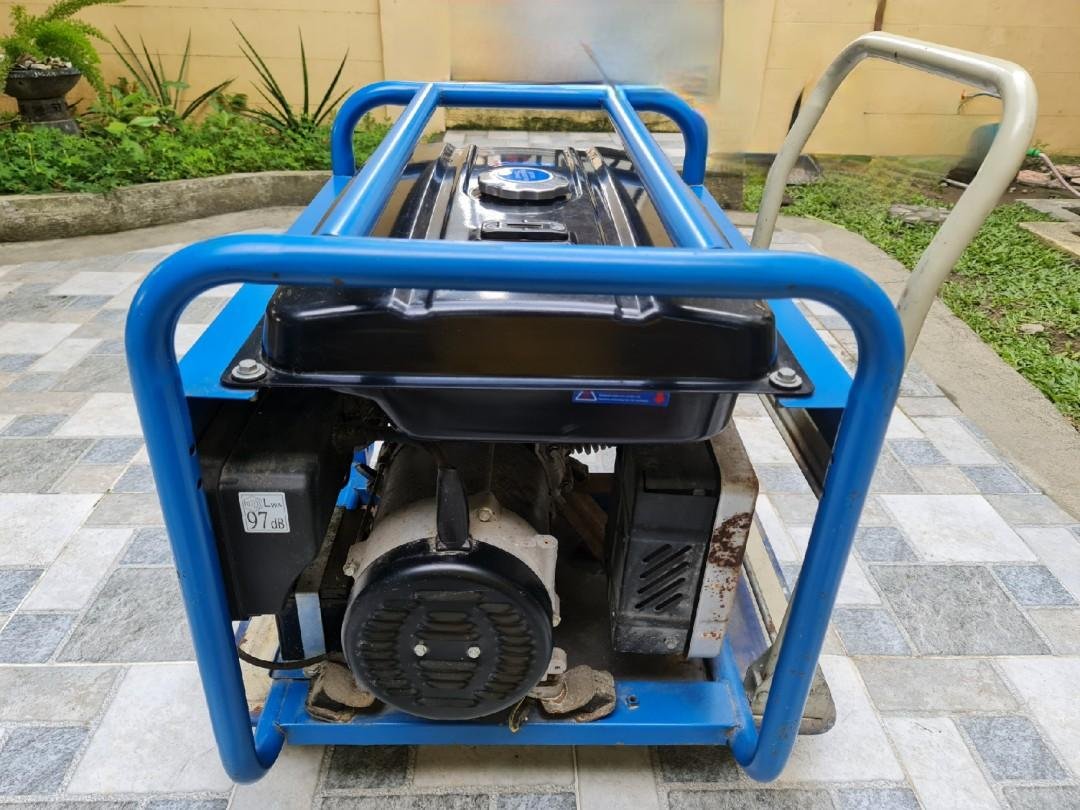
When the lights go out, a remote job site needs power, or a special event requires robust energy, a generator is often the hero of the hour. But for many, the thought of sourcing one, let alone ensuring it’s the right fit, can feel daunting. This guide will walk you through how to rent a generator like a pro, ensuring you get the reliable power you need without the guesswork.
Forget complex jargon and endless searches. We're here to demystify the process, from calculating your exact power needs to understanding the nuances of rental agreements. By the end, you’ll be equipped with the knowledge to make confident, informed decisions, ready to power through any situation.
At a Glance: Your Generator Rental Checklist
- Assess Your Needs: Determine what you need to power and where.
- Calculate Total Wattage: Sum running watts of all devices, then add the highest starting wattage. This is your target generator size.
- Choose the Right Type: Gas for portability, diesel for heavy-duty, towable for convenience.
- Contact Rental Companies: Get quotes, confirm availability, and understand terms. You can start by looking to Find generator rentals nearby.
- Prioritize Safety: Always operate generators outdoors, away from windows, and ensure proper grounding.
- Understand Runtime & Fuel: Plan for refueling, remembering typical generators run 8-12 hours on a full tank.
- Inspect Upon Delivery: Confirm the generator matches your order and is in good working condition.
- Return on Time: Avoid extra fees by adhering to the rental schedule.
Why Rent a Generator? Beyond the Blackout
While emergency power during an outage is often the first thing people think of, generators are incredibly versatile tools with a wide range of applications. Renting offers flexibility and cost-effectiveness compared to buying, especially for temporary or infrequent needs.
Consider these common scenarios where renting a generator makes perfect sense:
- Home Backup: Keep essential appliances running during power outages, from refrigerators and sump pumps to medical equipment.
- Construction Sites: Power tools, lighting, and job trailers in remote locations without grid access.
- Outdoor Events: Festivals, concerts, weddings, and markets often require significant temporary power for sound systems, lighting, food vendors, and more.
- Film & Photo Shoots: Provide reliable, quiet power for lighting, cameras, and production equipment on location.
- Remote Work & Campsites: For larger RVs or glamping setups that demand more power than a small portable unit can provide.
- Special Projects: When you need temporary power for a specific task, like operating heavy machinery or specialized equipment for a limited time.
Major rental providers like United Rentals offer a vast selection, ranging from small 2,000-watt portable units to heavy-duty 300-kilowatt generators, featuring trusted brands such as Honda, Generac, Multiquip, and DeWalt. This variety ensures you can find a generator tailored to your specific power demands.
The Power Play: How to Pick the Right Generator Size
This is arguably the most critical step in the entire rental process. An undersized generator won't power your devices, and an oversized one wastes fuel and money. Don't worry, it's simpler than it sounds.
Understanding Watts: Running vs. Starting Power
Every electrical device has a power requirement measured in watts (W). Generators are rated by the maximum wattage they can produce. You'll encounter two key terms:
- Running Watts (Rated Watts): This is the power an appliance continuously consumes to operate.
- Starting Watts (Surge Watts): Many appliances, especially those with motors (refrigerators, air conditioners, power tools), require a brief burst of extra power to start up. This surge can be two to three times their running wattage. Once started, they drop back to their running watts.
Your generator must be able to handle both the total running watts of everything plugged in and the highest single starting wattage of any device you might turn on.
Your Step-by-Step Wattage Calculation
To determine what size generator to rent, follow this methodical approach:
- List Everything You Need to Power: Go through your home, job site, or event plan and list every single item that needs electricity.
- Example: Refrigerator, microwave, 5 LED light bulbs, laptop charger, well pump, portable fan.
- Find the Running Watts for Each Item:
- Check appliance labels, owner's manuals, or use online wattage charts.
- Example:
- Refrigerator: 800 running watts (RW)
- Microwave: 1000 RW
- LED Light Bulb (x5): 10 RW each = 50 RW
- Laptop Charger: 60 RW
- Well Pump: 1500 RW
- Portable Fan: 75 RW
- Find the Starting Watts for Motorized Items:
- For appliances with motors, identify their starting wattage. If not listed, a common rule of thumb is 2-3 times the running wattage.
- Example:
- Refrigerator: 2400 starting watts (SW)
- Microwave: (No significant surge) 1000 SW
- Well Pump: 3000 SW
- Portable Fan: 150 SW
- Calculate Your Total Running Watts: Add up the running watts of all the devices you intend to power simultaneously.
- Example: 800 + 1000 + 50 + 60 + 1500 + 75 = 3485 total running watts.
- Identify the Highest Single Starting Wattage: Look at your list of starting watts and find the highest number.
- Example: Refrigerator (2400 SW), Well Pump (3000 SW). The highest is 3000 SW (from the well pump).
- Add Your Total Running Watts to the Highest Single Starting Wattage: This sum represents the minimum surge capacity your generator needs to handle.
- Example: 3485 (total RW) + 3000 (highest SW) = 6485 watts.
Therefore, for this example scenario, you would need a generator rated for at least 6500 watts. It’s always a good practice to add a little buffer (e.g., 10-20%) to prevent overloading and ensure smooth operation, so aiming for a 7,000 to 8,000-watt generator would be wise.
Pro Tip: Create a simple spreadsheet or handwritten "Wattage Worksheet" to list all your items, their running watts, and their starting watts. This visual aid will simplify your calculations and ensure you don't miss anything crucial.
Kilowatts (kW) and Kilovolt-Amperes (kVA): The Bigger Numbers
For larger commercial or industrial generators, you'll often see ratings in kilowatts (kW) or kilovolt-amperes (kVA).
- Kilowatts (kW): Simply 1,000 watts. So, a 10 kW generator is a 10,000-watt generator.
- Kilovolt-Amperes (kVA): This is "apparent power" and includes both true power (kW) and reactive power. For resistive loads (heaters, lights), kW and kVA are very similar. For inductive loads (motors), kVA will be higher than kW. Most rental companies will specify the kW rating, or you can use a power factor (typically 0.8 for most applications) to convert kVA to kW (kW = kVA x 0.8). For general purposes, focus on the kW rating if available, as it directly relates to the wattage calculations you've made.
A rental provider's climate experts can assist with finding the right size generator package, especially for complex needs, but having your preliminary calculations ready will make the conversation much more productive.
What Kind of Generator Do You Need? Types and Features
Once you have your wattage target, the next step is to consider the physical characteristics and fuel type that best suit your environment and application.
Fueling Your Power: Gas vs. Diesel
The most common choices for rental generators are gasoline and diesel. Each has distinct advantages:
- Gasoline Generators:
- Pros: Generally more affordable to rent, widely available fuel, quieter operation for smaller units. Often more compact and portable.
- Cons: Less fuel-efficient than diesel (burns faster), fuel can degrade over time if stored, fumes can be strong. Best for smaller to mid-range power needs.
- Diesel Generators:
- Pros: Highly fuel-efficient, longer run times between refueling, robust and durable, typically suited for heavy-duty, continuous operation. Diesel fuel is less flammable than gasoline, making it safer to store.
- Cons: Higher rental costs, diesel fuel can be more expensive and less readily available in some areas, generally louder and heavier. Ideal for construction sites, industrial applications, or extended power outages.
While less common for standard rentals, larger rental fleets like United Rentals are exploring and sometimes offer advanced options like hydrogen generators, which provide emissions-free power. For most immediate rental needs, however, gas and diesel are your primary considerations.
Portable, Towable, or Commercial-Sized?
The physical size and mobility of the generator are crucial, especially if you need to move it around.
- Portable Generators:
- Typically gas-powered, 2,000 to 10,000 watts.
- Designed for easy manual transport, often with wheels and handles.
- Best for home backup, camping, tailgating, and small job sites.
- Towable Generators (Trailer-Mounted):
- Often diesel-powered, ranging from 10 kW (10,000 watts) up to 200 kW or more.
- Mounted on a trailer for easy transport by vehicle.
- Features like integrated fuel tanks, weatherproofing, and sound-attenuated enclosures are common.
- Ideal for larger job sites, outdoor events, and medium-scale industrial needs.
- Commercial/Industrial-Sized Generators:
- Heavy-duty units, often hundreds of kilowatts (300 kW and up).
- May be skid-mounted (requiring specialized lifting equipment) or large towable units.
- Designed for continuous, high-demand power for large construction projects, manufacturing plants, or extensive temporary power requirements.
Key Features to Look For
Modern generators come with a host of features that can enhance safety, convenience, and performance:
- Low Emissions: Environmentally friendlier operation, especially important in sensitive areas or for extended use.
- Reduced Noise Levels: Essential for events, residential areas, or any setting where noise pollution is a concern. Many towable units come in sound-attenuated enclosures.
- Automatic Voltage Regulation (AVR): Helps maintain a steady voltage output, protecting sensitive electronics from power fluctuations.
- Multiple Outlet Types: Ensure the generator has the correct voltage and amperage outlets (e.g., 120V, 240V, 30A, 50A) to match your equipment's plugs.
- GFCI Outlets: Ground Fault Circuit Interrupter outlets provide an extra layer of safety against electrical shock.
- Fuel Gauge & Low-Oil Shutdown: Prevents damage to the generator by alerting you to low fuel and automatically shutting down if oil levels are critical.
- Electric Start: Much more convenient than pull-cord starting, especially for larger units.
- Hour Meter: Tracks run time for maintenance scheduling and can be useful for billing on long-term rentals.
The Nitty-Gritty: Understanding Generator Rental Costs
Generator rental costs aren't just about the daily rate. Several factors contribute to the final price tag. Understanding these will help you budget accurately and avoid surprises.
Common Cost Components
- Rental Rate:
- Daily, Weekly, Monthly: Most companies offer tiered pricing. Daily rates are highest, while weekly and monthly rates offer significant discounts. Always consider the longest possible rental period if your needs are flexible, as extending a daily rental can quickly become more expensive than committing to a weekly rate upfront.
- Generator Size & Type: Larger, more powerful, or specialized generators (e.g., quiet diesel units) will naturally cost more.
- Fuel:
- Separate Cost: Rental generators typically come with a full tank of fuel, and you're responsible for refueling them. Factor in the cost of gasoline or diesel, which can vary significantly based on the generator's size and load.
- Consumption Rates: As a guideline from United Rentals, a 10-kilowatt generator might consume just under a gallon per hour at full load, while a heavy-duty 200-kilowatt generator could consume up to 15 gallons per hour. Always consult the product manual for detailed specifications.
- Delivery & Pickup:
- Logistics Fees: Unless you're picking up a small portable unit yourself, expect to pay for delivery and pickup. These fees vary based on distance and the size of the generator, as larger units require specialized transport.
- Insurance / Damage Waiver:
- Protection: Rental companies often offer or require a damage waiver that covers minor damage to the equipment during your rental period. It's usually an additional percentage of the rental cost. Check if your existing business or homeowner's insurance policy offers coverage for rented equipment; if so, you might be able to decline the waiver.
- Accessories & Consumables:
- Power Cables: You'll likely need heavy-duty extension cords or power distribution boxes to connect your devices. Some rental companies include these, while others rent them separately.
- Fuel Cans: If you're refueling yourself, you'll need approved fuel cans.
- Grounding Rods: Essential for safety and often available for rent.
- Environmental Surcharges:
- Some companies may add small fees related to environmental compliance or waste disposal.
Getting a Quote
When requesting a quote, be prepared with:
- Your exact wattage requirements.
- The type of fuel you prefer (if you have a preference).
- The duration of the rental.
- The delivery location and any special site access requirements.
- Whether you need accessories like cables or fuel tanks.
Always get a detailed, written quote that breaks down all costs before committing.
The Rental Process: From Inquiry to Return
Renting a generator doesn't have to be complicated. Here's a typical step-by-step process that will guide you through a smooth rental experience.
Step 1: Clarify Your Needs (Revisit Sizing & Type)
Before contacting anyone, solidify your power requirements using the wattage calculation method discussed earlier. Know exactly what appliances or tools you'll be running, their combined running watts, and the highest single starting wattage. Also, confirm the type of generator (gas/diesel, portable/towable) that fits your location and duration needs.
Step 2: Research Rental Companies
Look for reputable equipment rental companies in your area. Major players like United Rentals offer extensive fleets and support, but local equipment rental stores can also be great options. Don't hesitate to check online reviews and ask for recommendations. This is where you might look to Find generator rentals nearby as a first step.
Step 3: Get Quotes & Understand the Agreement
Once you've identified a few potential providers, reach out for quotes. Be specific about your needs. Ask about:
- The total rental cost, including all fees (delivery, pickup, insurance, fuel surcharges).
- What accessories are included or available for rent (cables, distribution boxes).
- Their fuel policy (do you return it full, or do they charge for refueling?).
- Maintenance responsibilities during longer rentals.
- Emergency support or troubleshooting available.
- Cancellation policies and late return fees.
Read the rental contract carefully before signing. Understand your responsibilities regarding operating the equipment safely and returning it on time and in good condition.
Step 4: Delivery, Setup & Initial Inspection
When the generator arrives, or if you pick it up:
- Inspect Thoroughly: Before accepting delivery, walk around the generator with the rental company representative. Check for any pre-existing damage, dents, or operational issues. Take photos or videos for your records. Ensure all required accessories (cables, manuals) are present.
- Understand Controls: Ask the representative to walk you through the basic operation: starting, stopping, checking fuel/oil, and safety features. Make sure you know where the emergency stop button is.
- Positioning: Ensure the generator is placed on a level, stable surface, far away from windows, doors, vents, and at least 20 feet from any building to prevent carbon monoxide buildup indoors. Never operate a generator indoors or in a garage.
- Connections: Use appropriate, heavy-duty extension cords rated for outdoor use and for the power load. Connect directly to appliances or through a properly installed transfer switch for home backup (never backfeed power into your home's main electrical panel without a transfer switch).
Step 5: Safe Operation & Maintenance During Rental
Operating a generator requires vigilance and adherence to safety guidelines.
- Fueling: Always shut down the generator and let it cool completely before refueling. Gasoline is highly flammable; diesel less so, but still requires care. Avoid spilling fuel, and never smoke while refueling.
- Monitor Levels: Regularly check fuel levels to prevent unexpected shutdowns. For longer operations, also monitor oil levels. Remember, United Rentals advises that while generators can technically run for days on a full tank (average 8-12 hours per tank), continuous operation without maintenance isn't recommended. Just like any engine, they need regular checks and lubrication.
- Overload Prevention: Avoid plugging in too many devices at once. Stagger starting motorized appliances to prevent surge overload.
- Ventilation is Key: Reiterate: Generators produce carbon monoxide, an odorless, colorless, lethal gas. Ensure ample ventilation at all times.
- Proper Grounding: Most rental generators will either be "bonded neutral" (where the neutral and ground are connected within the generator) or come with instructions for external grounding. Follow the manufacturer's and rental company's instructions explicitly.
Step 6: Return
- Refuel (if required): If your contract states you must return the generator with a full tank, do so before the scheduled pickup or return time.
- Cleanliness: While you don't need to detail it, wiping down any excessive dirt or mud can be a courteous gesture and avoid potential cleaning fees.
- Final Inspection: Take photos or videos of the generator's condition before it leaves your possession, documenting its state for your protection.
- Be Present: If possible, be present during the pickup so you can clarify any questions or concerns with the rental company representative.
Generator Safety: Your Non-Negotiables
Generator safety is paramount. Ignoring these precautions can lead to severe injury, carbon monoxide poisoning, or fire.
- Carbon Monoxide (CO) Poisoning: The biggest threat. Generators emit CO, an invisible, odorless, and deadly gas.
- Always operate outdoors. Never in a garage, basement, shed, or any enclosed or partially enclosed space, even with doors and windows open.
- Place at least 20 feet away from your home or building, directing exhaust away from any windows, doors, or vents.
- Install CO detectors in your home, especially if using a generator for backup power.
- Electrical Hazards:
- Never "backfeed" power into your home's electrical system by plugging the generator into a wall outlet. This can electrify utility lines, endangering utility workers and potentially others. Use a properly installed manual transfer switch by a qualified electrician for home backup.
- Use appropriate extension cords. They must be heavy-duty, outdoor-rated, and rated for the load you're powering. Inspect cords for damage before use.
- Keep the generator dry. Do not operate in rain or wet conditions unless it is specifically designed for such use and is under a weatherproof enclosure.
- Grounding: Always follow the manufacturer's grounding instructions. This typically involves connecting the generator to a grounding rod.
- Fire Hazards:
- Fuel safely. Turn off the generator and let it cool for at least 15 minutes before adding fuel. Spilled fuel on a hot engine can ignite.
- Store fuel safely. Keep fuel in approved containers, away from heat sources and out of reach of children.
- Keep flammable materials away from the generator during operation.
- Noise and Exhaust:
- Hearing protection may be necessary for prolonged exposure to loud generators.
- Avoid touching hot parts of the generator, especially the muffler, as they can cause severe burns.
Always review the safety manual provided by the rental company and the generator manufacturer. When in doubt, ask the rental agent for clarification. Your safety, and the safety of those around you, is worth the extra caution.
Common Pitfalls to Avoid When Renting a Generator
Even with the best intentions, mistakes can happen. Being aware of these common missteps can save you time, money, and headaches.
- Underestimating Power Needs: This is the most frequent error. Thinking "bigger is better" is tempting, but a precisely sized generator is more efficient. More critically, under-sizing leads to frustration and potential damage to both your appliances and the generator from overloading. Always do your wattage calculations carefully and add a buffer.
- Ignoring Safety Warnings: As covered, safety is non-negotiable. Don't compromise on proper ventilation, grounding, or safe fueling practices. The consequences are too severe.
- Neglecting Fuel Management: Running out of fuel unexpectedly can halt operations. Not only is it inconvenient, but allowing a generator to run completely dry can sometimes pull sediment from the bottom of the fuel tank into the fuel lines, potentially causing issues. Always have extra fuel on hand and monitor levels.
- Not Understanding the Rental Contract: Don't skim the fine print. Know your responsibilities for damage, late returns, refueling, and maintenance. Clarify any clauses about extended use or breakdowns.
- Improper Storage (for your own fuel): If you're supplying your own fuel, ensure it's fresh (especially gasoline, which degrades) and stored in approved, sealed containers in a cool, dry place away from ignition sources.
- Assuming All Outlets Are the Same: Generators come with various outlet configurations (120V, 240V, 30A, 50A). Make sure the generator you rent has the specific outlets needed for your equipment. You might need adapter cables, but ensure they are rated appropriately.
When to Buy vs. When to Rent a Generator
While this guide focuses on renting, it's worth a quick thought about when outright ownership might be the better path.
Rent a Generator if:
- Infrequent Use: You need power for a one-off event, a short-term project, or occasional emergency backup.
- Specific Needs: You need a specialized generator (e.g., a very quiet unit for a film shoot or a high-capacity industrial unit) that you wouldn't use regularly enough to justify buying.
- Maintenance-Free: The rental company handles all maintenance, storage, and repairs.
- Budget-Conscious for Temporary Use: Avoid a large upfront investment, depreciation, and ongoing costs like fuel stabilization, battery upkeep, and engine servicing.
- Access to Latest Technology: Rental fleets often have newer, more fuel-efficient, or quieter models.
Buy a Generator if: - Frequent Use: You regularly need portable power for your business or for frequent residential outages.
- Long-Term Needs: Your project requires continuous power for an extended period (many months or years), where rental costs would eventually exceed purchase costs.
- Specific Personalization: You want a generator with custom features or a particular setup that isn't easily found in rental fleets.
- You're Prepared for Maintenance: You're comfortable with the responsibility of regular servicing, fuel storage, and potential repairs.
For most people facing an immediate, temporary need for power, renting is the practical, economical, and hassle-free solution.
Powering Forward with Confidence
Renting a generator doesn't have to be a complicated ordeal. By understanding your wattage needs, choosing the right type of generator, knowing what to expect from the rental process, and prioritizing safety above all else, you can confidently secure the power you need.
Take the time to plan, ask questions, and never cut corners on safety. With these steps, you'll be well-equipped to keep the lights on, the tools running, or the event going smoothly, no matter the challenge. Go forth and power up!