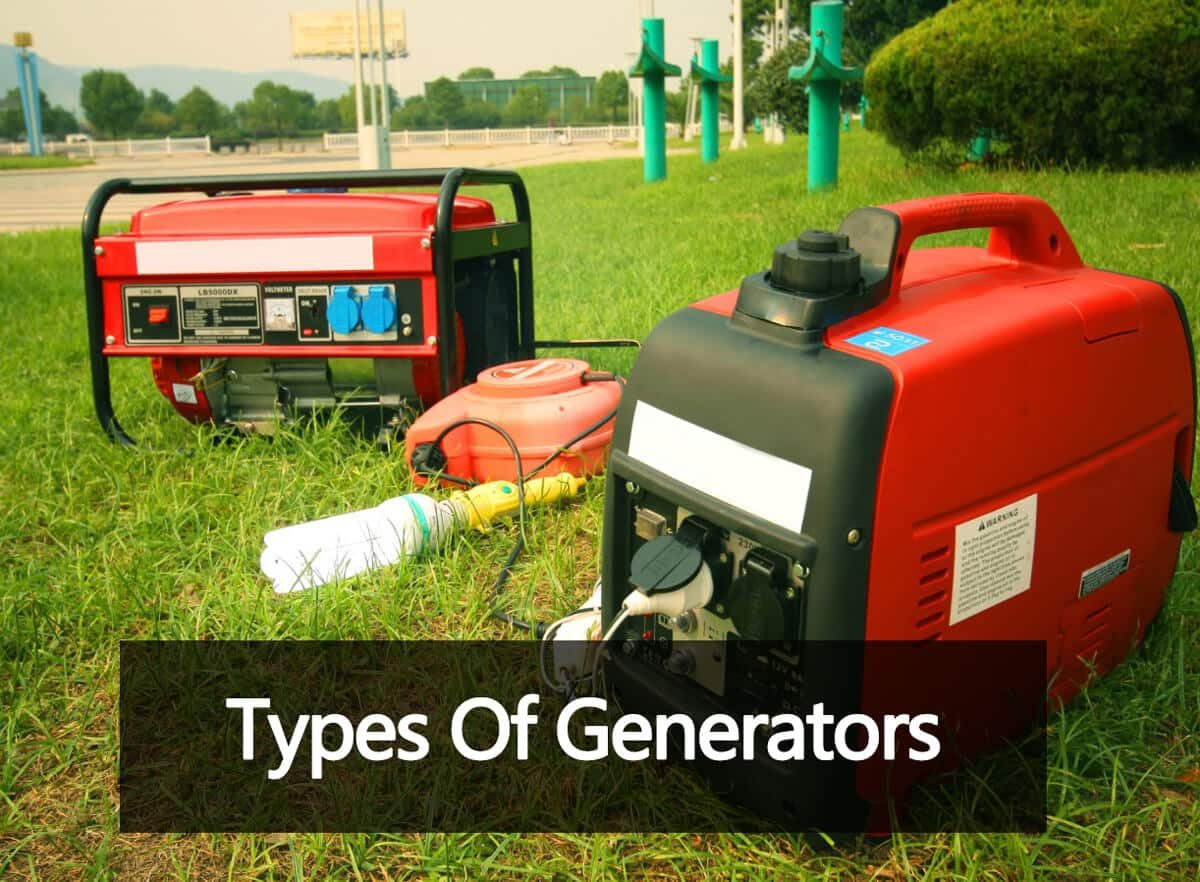
When the lights go out, the job site stalls, or that outdoor event needs a reliable jolt, understanding the types of generators for rent becomes your crucial first step to restoring power and productivity. It's more than just grabbing "a generator"; it's about matching the right machine to your specific energy demands, ensuring seamless operation without overkill or underperformance. Think of it as finding the perfect tool for the job – whether you need a small, nimble power source or a heavy-duty workhorse to keep everything running smoothly.
At a Glance: Your Quick Guide to Generator Rentals
- Determine Your Power Needs: Calculate total running wattage and highest starting wattage for all connected devices.
- Match Generator Type: Choose between portable (small needs), towable (medium-large, mobile), or commercial/industrial (heavy-duty, stationary).
- Consider Fuel Type: Gas for smaller units, diesel for larger efficiency, and emerging options like hydrogen.
- Evaluate Key Features: Look for low noise, emissions, and trailer-mounted options for convenience.
- Rental Experts are Key: Don't hesitate to consult professionals from rental companies to size and select the right unit.
- Plan for Fuel & Run Time: Understand fuel consumption rates and necessary refills for extended operation.
Why Rent a Generator? Powering Your World, On Demand
Life throws curveballs, and sometimes those curveballs come in the form of power outages, remote work sites, or events far from grid access. Renting a generator offers a flexible, cost-effective solution, providing temporary power without the long-term investment, maintenance, or storage headaches of ownership. It’s about having immediate access to reliable energy when and where you need it most, from keeping essential appliances running during a storm to powering an entire construction site.
Rental fleets are typically well-maintained and feature the latest technology, often packed with features like reduced noise levels and lower emissions. Companies like United Rentals offer an extensive selection, ranging from nimble 2,000-watt units to robust 300-kilowatt behemoths, ensuring you can always find a generator tailored to your project, big or small.
Deciphering the Main Types of Generators for Rent
Choosing the right generator starts with understanding the categories available. These generally break down by size, power output, and mobility, each designed for distinct applications.
1. Portable Generators: Power in a Pouch (Almost)
These are your go-to for smaller, localized power needs. Think of them as the versatile utility player of the generator world.
- What they are: Compact, often gas-powered units designed for easy transport. They typically feature an open frame or an enclosed, quieter inverter design.
- Common Applications:
- Home Backup: Keeping refrigerators, lights, and a few essential electronics running during short power outages.
- Outdoor Events: Powering sound systems, lighting, or food trucks at festivals, concerts, or farmers' markets.
- Light Construction: Running power tools like drills, saws, or small air compressors on a job site where grid power isn't accessible.
- Camping/Tailgating: Providing creature comforts for recreational activities.
- Key Characteristics:
- Output: Generally range from 2,000 watts to around 10,000-15,000 watts.
- Fuel: Most commonly gasoline, though some smaller propane or dual-fuel options exist.
- Portability: Designed with handles and sometimes wheels for manual movement.
- Considerations: While convenient, their fuel tanks are smaller, requiring more frequent refills for extended use. Noise levels can also be a factor depending on the model, though inverter generators are significantly quieter.
2. Towable Generators: Mobile Muscle for Bigger Tasks
When your power needs scale up and you need robust energy that can move with your project, towable generators step in. These units are built for demanding environments.
- What they are: Larger, heavier-duty generators mounted on a trailer for easy hitching and transport behind a vehicle. They are often enclosed to protect components and reduce noise.
- Common Applications:
- Medium to Large Construction Sites: Powering multiple heavy-duty tools, temporary offices, lighting towers, and welders.
- Commercial Events: Providing primary power for large outdoor events, film sets, or mobile command centers.
- Disaster Relief: Supplying emergency power for temporary shelters, communication hubs, or critical infrastructure during outages.
- Utility Work: Powering specialized equipment for utility repair or maintenance crews in remote locations.
- Key Characteristics:
- Output: Typically range from 20 kilowatts (kW) up to 150 kW or more.
- Fuel: Almost exclusively diesel, known for its efficiency and suitability for sustained heavy loads.
- Portability: Trailer-mounted for easy relocation between sites.
- Features: Often include larger fuel tanks for longer run times, advanced control panels, and weather-resistant enclosures.
- Considerations: These require a vehicle capable of towing them and careful placement on site. Their fuel consumption, while efficient for their output, is substantial, so fuel planning is essential.
3. Commercial & Industrial Generators: The Heavyweights of Power
For critical infrastructure, massive construction projects, or long-term backup power, you'll turn to commercial and industrial-grade generators. These are the titans of temporary power.
- What they are: The largest and most powerful generators available for rent, often housed in robust, sound-attenuated enclosures. While some may be towable with specialized equipment, many are delivered and placed by the rental company.
- Common Applications:
- Large-Scale Construction: Powering entire job sites, concrete plants, or large machinery.
- Manufacturing Facilities: Providing backup power to prevent production downtime during grid failures.
- Data Centers & Hospitals: Ensuring uninterrupted power for mission-critical operations.
- Major Event Venues: Supplying primary power for concerts, sports events, or large outdoor festivals.
- Temporary Utilities: Creating a temporary grid for new developments or emergency situations.
- Key Characteristics:
- Output: Starting from around 150 kW and going up to 300 kW (like those offered by United Rentals) or even megawatt-scale units for specialized applications.
- Fuel: Predominantly diesel, chosen for its reliability, power density, and economic efficiency at scale.
- Features: Advanced monitoring systems, multiple output options, parallel synchronization capabilities (to combine multiple units for even greater power), and robust weatherproofing.
- Considerations: These units require professional installation and removal. Their fuel consumption is significant, demanding meticulous fuel management and delivery logistics. However, for sheer power and reliability, they are unmatched.
Fueling Your Choice: Gas, Diesel, and Emerging Options
The type of fuel a generator uses significantly impacts its efficiency, run time, and suitability for different environments.
Gas Generators: Accessible and Common for Smaller Needs
- Pros: Gasoline is readily available, making these generators convenient for smaller jobs or emergency home use. They are generally quieter than diesel counterparts in smaller sizes.
- Cons: Less fuel-efficient than diesel, leading to higher operating costs over extended periods. Gasoline has a shorter shelf life and is highly flammable, requiring careful storage. Smaller tanks mean more frequent refueling.
- Best For: Portable units, short-term use, light construction, and recreational power.
Diesel Generators: The Workhorses of Heavy-Duty Power
- Pros: Diesel fuel is more energy-dense, making diesel generators significantly more fuel-efficient, especially under heavy loads. This translates to longer run times between refueling and lower operating costs for larger units. Diesel engines are also known for their durability and longevity.
- Cons: Diesel generators often have higher upfront rental costs and can be louder in larger sizes (though many rental units are sound-attenuated). Diesel fuel can gel in extremely cold temperatures, requiring specific cold-weather additives or heaters.
- Best For: Towable, commercial, and industrial applications requiring continuous, heavy-duty power.
Emerging & Niche Options: Propane and Hydrogen
While less common in general rental fleets, it's worth noting other fuel types:
- Propane Generators: Offer cleaner burning fuel with longer storage life than gasoline. They are typically available in smaller portable or mid-range sizes.
- Hydrogen Generators: United Rentals specifically highlights hydrogen generators as "an emissions-free solution to portable power." While still emerging, these represent the cutting edge for environmentally conscious projects, offering zero tailpipe emissions. You might consider exploring them for specific eco-friendly initiatives.
Sizing It Right: How Many Watts Do You Really Need?
This is perhaps the most critical step in generator rental. Undersize, and your equipment won't run; oversize, and you're paying for power you don't use.
To determine what size generator to rent, you need to calculate two key figures:
- Running Wattage (or Rated Watts): This is the continuous power an appliance needs to operate.
- Starting Wattage (or Surge Watts): Many motor-driven appliances (refrigerators, pumps, power tools) require a brief burst of extra power to start up. This surge can be 2-3 times their running wattage.
Here's how to calculate your needs:
- List Everything You Plan to Power: Go through all your intended equipment, tools, lights, and appliances.
- Find Running & Starting Wattage: Check the owner's manual, data plate on the device, or a quick online search for each item.
- Sum Running Wattage: Add up the running wattage of all devices you expect to operate simultaneously.
- Identify Highest Single Starting Wattage: Look for the device with the highest starting wattage requirement.
- Calculate Total Wattage: Add your total running wattage to the highest single starting wattage.
- Example: If your total running wattage is 5,000 watts, and your air compressor has a starting wattage of 3,000 watts (which is higher than any other device's starting wattage), you'd need a generator capable of at least 8,000 watts (5,000 + 3,000).
Expert Tip: It's always a good idea to add a buffer (10-20% extra capacity) to your calculated wattage to account for unforeseen needs or efficiency losses. Don't hesitate to consult rental experts, as both United Rentals and Sunbelt Rentals emphasize their teams can help you find the right size generator package for your specific application. They have the experience to prevent costly mistakes.
Beyond the Basics: Key Features to Look For in a Rental
Once you've narrowed down the type and size, consider these additional features that can significantly impact your rental experience:
- Low Emissions: Important for environmental compliance, indoor applications (with proper ventilation), or projects in sensitive areas. Many modern rental generators are designed with lower emissions.
- Reduced Noise Levels: Essential for events, residential areas, or job sites where noise pollution is a concern. Inverter generators are particularly quiet in smaller sizes, while larger towable units often come with sound-attenuated enclosures.
- Trailer-Mounted Options: For towable generators, this is a standard feature. Ensure the trailer is road-ready and compatible with your towing vehicle.
- Fuel Capacity & Extended Run Tanks: If you need to run the generator for long periods, ask about units with larger built-in fuel tanks or options for external auxiliary tanks to minimize refueling interruptions.
- Output Options: Check for the specific outlets (120V, 240V, single-phase, three-phase) and amperage ratings you'll need to match your equipment.
- Reliable Brands: Rental companies typically stock trusted brands like Honda, Generac, Multiquip, and DeWalt, ensuring you're getting quality, dependable equipment.
- Telematics/Monitoring: Some advanced units may offer remote monitoring capabilities, allowing you to track fuel levels, run time, and performance from a distance.
Generator Rental FAQs: Getting Your Questions Answered
Understanding these common queries will help you plan your rental more effectively.
How long can a rental generator run on a full tank?
This depends entirely on the generator's fuel capacity and the load it's powering. United Rentals notes that an average unit can run around 8-12 hours on a full tank of gas. Larger diesel units with substantial tanks can run much longer. As long as a generator is refilled, it can theoretically run for days at a time.
Important Note: While a generator can run for days or weeks with continuous refueling, it's generally not recommended without proper breaks and maintenance. Just like any engine, generators require routine lubrication and checks to function at their best. Disregarding these tasks can cause permanent damage and lead to breakdowns. Rental companies typically handle routine maintenance, but it's crucial to understand recommended operational limits and discuss long-term needs with your provider.
What's the fuel consumption rate for a rental generator?
Fuel consumption varies dramatically based on the generator's size and the load it's carrying.
- An average 10-kilowatt generator might consume a little under a gallon per hour at full load.
- A heavy-duty 200-kilowatt generator could consume up to 15 gallons per hour.
Always consult the product manual or ask the rental company for detailed specifications on the specific generator's fuel consumption rate at various loads. This information is vital for budgeting and planning fuel deliveries.
What kind of maintenance is required from me for a rental generator?
Generally, the rental company is responsible for the major maintenance of the generator. Your primary responsibilities as the renter typically include:
- Monitoring Fuel Levels: Ensuring the generator has adequate fuel and refueling it as needed.
- Basic Visual Checks: Periodically inspecting for leaks, unusual noises, or warning lights.
- Proper Operation: Operating the generator within its specified load limits and following all safety guidelines.
- Reporting Issues: Promptly contacting the rental company if you notice any problems or malfunctions.
Never attempt to perform complex maintenance or repairs yourself on a rental unit; always defer to the rental provider's technicians.
When should I consider renting a generator versus buying one?
Renting is often the best choice for:
- Temporary or Infrequent Needs: Such as construction projects, special events, or emergency backup for specific outages.
- Specific Project Requirements: When you need a particular size or type of generator for a limited time.
- Cost Efficiency: Avoiding the upfront capital expense, ongoing maintenance costs, storage, and depreciation of ownership.
- Access to Latest Technology: Rental fleets are regularly updated, giving you access to newer, more efficient models.
Buying makes more sense if you have continuous, long-term power needs at a fixed location, or if the cost of renting over time would exceed the purchase price and maintenance.
Your Next Step: Securing the Right Power Solution
Now that you're well-versed in the various types of generators for rent, your next move is clear. Armed with your calculated wattage needs and an understanding of the fuel type and features that matter most, reach out to a reputable rental provider.
Be prepared to discuss:
- Your total running and starting wattage requirements.
- The duration of your rental.
- The environment (e.g., quiet zone, remote job site).
- Any specific outlets or power phases needed.
These details will allow their experts to guide you to the perfect generator, ensuring your project or property remains powered without a hitch. Remember, reliable power is just a rental away, and finding a generator rental nearby is often the first step to keeping your operations running smoothly.